
Energy System Data
Learn what energy system data is, who produces it, how it flows from the national smart-meter estate through settlement to your bill, and why it matters for Clean Power 2030.
Start at the top, move stage by stage, then use practice and stage tests when you want a stronger check.
What you will learn
- Explain what energy system data is, why it matters, and what the five key tensions shaping the sector are
- Identify the 40+ organisations that produce, consume, and govern energy data and describe their data roles
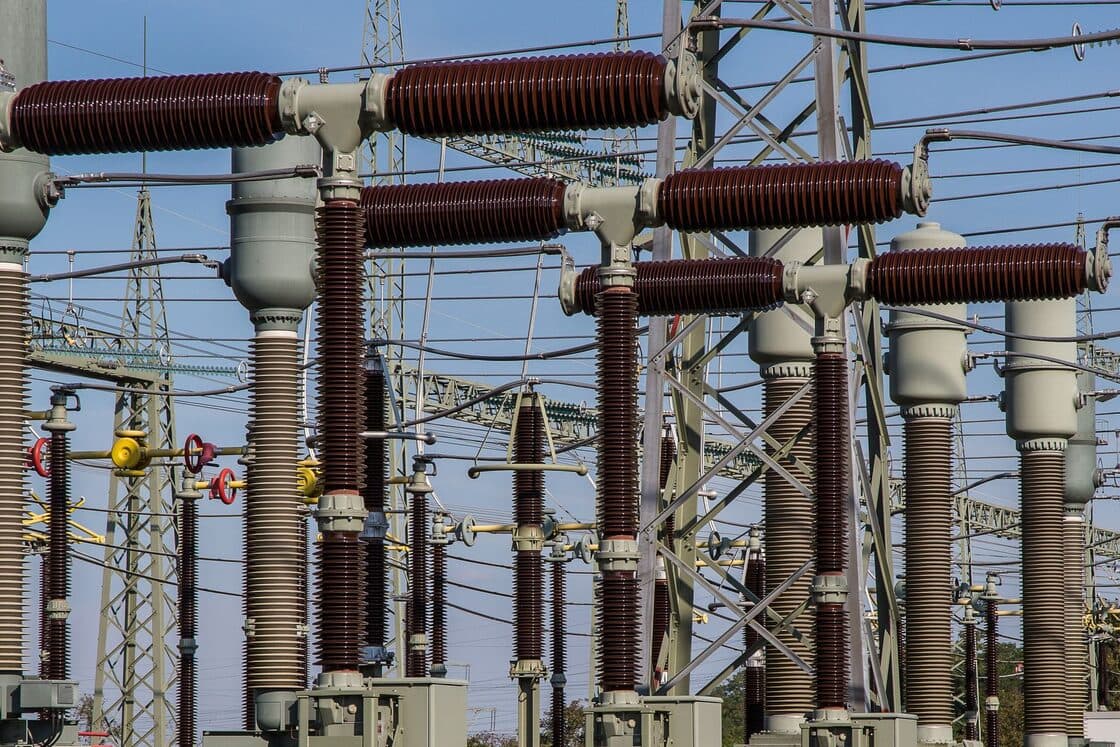
- Describe how the physical electricity and gas networks generate data at every voltage level
- Navigate the complete 87-type data taxonomy across 13 categories with correct sensitivity classifications
- Explain how the national smart-meter estate works, including SMETS1 vs SMETS2, DCC WAN architecture, and DUIS service requests
- Trace the 7-stage meter-to-bill chain from capture through settlement and billing
Single learning path
- People who are new to energy data and want a precise mental model instead of memorised acronyms
- Data engineers, analysts, and architects working in or entering the energy sector
- Regulatory professionals, policy advisors, and compliance officers in energy governance
Prerequisites: None. The course starts from first principles and explains every acronym before using it.
The route through GB energy system data, from meters to certification
Each stage answers one question and hands the next what the pill under the arrow names, so the exam at stage four is asked of the vocabulary, the lifecycle and the judgement together rather than of the last stage alone.
Four stages run from vocabulary to proof: foundations, the data lifecycle, markets in motion, then exam and certification, with codes, Ofgem and data policy governing the route from above. Source: this course's syllabus, 31 modules across four stages.
Every figure in the course is catalogued in the energy system data toolkit, faceted by data lifecycle stage and fuel.
Course curriculum
Read the modules in order on the first pass. Use the practice and stage tests when you want a stricter check on what stuck.
Energy data foundations
8 modules · 4.17 hours
The data lifecycle
10 modules · 5.83 hours
Markets in motion and strategy
10 modules · 5.75 hours
Exam and certification
3 modules · 1.67 hours
Standards and references
This course is aligned to the following standards, frameworks, and certification objectives.
- 1Ofgem Data Best Practice Guidance and Supporting Information (April 2026)
- 2IEC 61970-301:2022 Common Information Model (CIM)
- 3IEC 61970-600 CGMES v3.0 grid model exchange profiles
- 4Balancing and Settlement Code (BSC) Sections K, S, T, Q, V
- 5Retail Energy Code (REC) and Smart Energy Code (SEC)
- 6UK GDPR and Data (Use and Access) Act 2025
- 7RIIO-ED2 and RIIO-3 licence conditions including SpC 9.5
- 8Ofgem DAPF tiered consent model
- 9NIS Regulations 2018 and CAF v4.0 (August 2025)